Maximizing Efficiency in Injection Molding with Thermosets
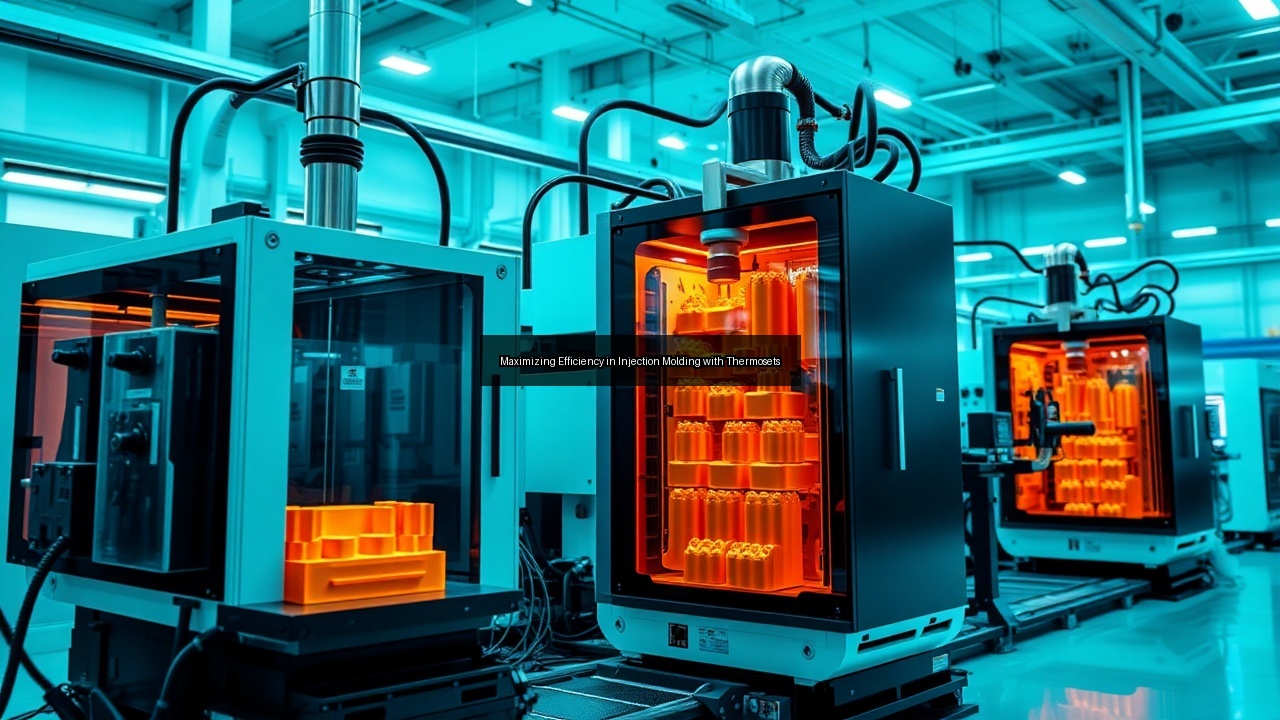
Understanding Thermosets in Injection Molding
What are Thermosets?
Thermosets are a category of polymers that undergo a chemical change when heated, resulting in a rigid structure that cannot be remolded or reshaped. This irreversible process, known as curing, allows thermoset materials to maintain their form and structural integrity even under high temperatures and stress. Common thermoset plastics include epoxy, phenolic, and polyurethane. These materials are widely used in various industries due to their exceptional heat resistance, chemical stability, and mechanical strength. Unlike thermoplastics, which can be reheated and reshaped, thermosets provide a permanent solution injection molding thermosets for numerous applications, making them indispensable in injection molding processes.
Comparison with Thermoplastics
Understanding the differences between thermosets and thermoplastics is crucial for selecting the right material for injection molding. Thermoplastics, such as acrylonitrile butadiene styrene (ABS) and polypropylene, can be easily melted and reformed multiple times, providing flexibility in manufacturing. This characteristic allows for rapid prototyping and adjustments during the production process. In contrast, thermosets offer superior mechanical properties, making them ideal for applications that require durability and resistance to deformation. The choice between thermoplastics and thermosets ultimately depends on specific project requirements, including performance criteria, cost considerations, and the desired lifecycle of the product.
Benefits of Using Thermosets in Injection Molding
Utilizing thermosets in injection molding offers several advantages that enhance overall efficiency and product quality. One significant benefit is their excellent dimensional stability, which ensures that molded parts retain their shape and size over time. This stability is particularly crucial in applications such as automotive and aerospace components, where precision is paramount. Thermosets also exhibit superior thermal and chemical resistance, making them suitable for harsh environments. Furthermore, the curing process of thermosets can reduce production times because it allows for faster solidification compared to thermoplastic materials. As a result, manufacturers can achieve higher throughput and lower operational costs while producing high-quality, injection-molded products.
Optimizing the Injection Molding Process with Thermosets
Key Steps in the Injection Molding Process
The injection molding process involves several critical steps that ensure the successful production of injection molding thermosets thermoset components. First, raw thermoset material is prepared and preheated to facilitate the curing process. Next, the material is injected into a mold cavity using a piston-driven injection mechanism, where it fills the voids and takes the shape of the mold. Following injection, the thermoset undergoes a curing phase, where heat and pressure activate the chemical reactions that solidify the material. Once cured, the molded part is ejected from the mold and undergoes any necessary finishing processes. Each of these steps requires precise control to optimize efficiency and maintain product quality, particularly when working with thermoset materials.
Selecting the Right Thermoset Material
Choosing the appropriate thermoset material is essential for maximizing efficiency in injection molding. Factors such as mechanical properties, thermal resistance, and chemical compatibility play crucial roles in this decision. For instance, epoxy resins are commonly selected for their high strength and adhesive properties, making them ideal for structural applications. Phenolic resins offer excellent heat resistance, suitable for applications involving high temperatures. Additionally, manufacturers must consider the specific requirements of the end product, including weight, rigidity, and exposure to chemicals. By carefully evaluating these factors, companies can select the most suitable thermoset materials that enhance performance and efficiency in their injection molding processes.
Best Practices for Molding Thermosets
Implementing best practices for molding thermosets can significantly improve production efficiency and product quality. Maintaining optimal temperature and pressure during the injection process is crucial, as improper settings can lead to incomplete curing or defects in the final product. Regular maintenance of injection molding equipment ensures consistent performance and reduces the risk of breakdowns. Additionally, incorporating automation can streamline workflow and minimize human error. Utilizing simulation software during the design phase can also predict potential issues and optimize mold designs for better thermoset flow and cooling. These practices contribute to a more efficient injection molding operation, resulting in high-quality thermoset products.
Applications and Innovations in Thermoset Injection Molding
Common Applications of Thermoset Plastics
Thermoset plastics find applications across various industries due to their unique properties. In the automotive sector, thermosets are used for manufacturing components like electrical housings, engine covers, and interior parts, where durability and heat resistance are critical. In the aerospace industry, these materials provide essential structural components that withstand extreme conditions. Thermosets also play a key role in the electrical and electronics sectors, where they are used in circuit boards and insulators. The versatility of thermosets makes them suitable for applications ranging from consumer goods to industrial machinery, highlighting their importance in modern manufacturing.
Innovative Thermoset Materials like ABS and Polypropylene
Recent advancements in thermoset materials, such as modifications of acrylonitrile butadiene styrene (ABS) and polypropylene, have expanded their application potential. These innovative materials offer improved impact resistance, thermal stability, and surface finish, making them suitable for a wider range of products. The combination of thermosetting and thermoplastic properties enables manufacturers to create hybrid materials that exhibit the best of both worlds. This innovation allows for greater design flexibility and performance optimization, empowering manufacturers to meet evolving market demands while maintaining the benefits of traditional thermoset injection molding.
Future Trends in Thermoset Molding Technologies
The future of thermoset injection molding technologies looks promising, with ongoing research and development paving the way for enhanced materials and processes. Emerging trends include the integration of smart technologies, such as IoT devices, to monitor and optimize the injection molding process in real time. Additionally, advancements in additive manufacturing techniques are enabling the production of complex geometries that were previously challenging to achieve with traditional thermoset molding. These innovations not only enhance efficiency but also contribute to the sustainability of thermoset materials, setting the stage for more eco-friendly manufacturing practices in the coming years.
Sustainability and Recyclability in Thermoset Injection Molding
Environmental Impact of Thermosets vs. Thermoplastics
The environmental impact of thermosets compared to thermoplastics has become a significant consideration in manufacturing. While thermoplastics are typically more recyclable, thermosets pose challenges due to their permanent nature after curing. The production of thermoset materials often involves the use of chemicals that can be harmful to the environment if not managed properly. However, thermosets generally offer longer lifespans and better performance, which can offset their environmental footprint when used in applications where durability is essential. Manufacturers must weigh these factors carefully, opting for solutions that balance performance with sustainability.
Recyclability Challenges and Solutions
Recyclability remains a critical challenge for thermoset materials in injection molding. Traditional recycling methods do not apply to thermosets injection molding thermosets due to their irreversible curing process. However, innovative approaches are emerging, such as chemical recycling, which breaks down thermoset polymers into their original monomers for reuse. Researchers are also exploring the development of new thermoset materials that incorporate additives to enhance recyclability without compromising performance. By investing in these new technologies, manufacturers can contribute to a circular economy while continuing to benefit from the unique properties of thermoset plastics.
ISO 13485 Compliance in Thermoset Molding Processes
ISO 13485 compliance plays a crucial role in the thermoset injection molding industry, particularly for manufacturers involved in medical device production. This standard ensures that organizations consistently meet regulatory requirements for quality management systems. In thermoset molding, adhering to ISO 13485 involves implementing rigorous quality control measures throughout the production process. These measures include proper documentation, traceability of materials, and regular audits to ensure compliance with safety and quality standards. Achieving ISO 13485 certification not only enhances product reliability but also builds trust with customers and regulatory bodies in a competitive marketplace.
See Also
- A Deep Dive into the Injection Molding Process of Thermoset Materials
- Thermoset Injection Molding Unveiling Techniques for Enhanced Performance
- Thermosets vs Thermoplastics Understanding the Key Differences in Injection Molding
- Thermoset Polymers vs Thermoplastic Materials Which is Best for Your Project