Revolutionizing the Food Processing Industry with Advanced Valve Technology
The Role of Valve Technology in the Food Processing Industry
Importance of Valves in Food and Beverage Production
Valves play a critical role in the food processing industry, particularly in food and beverage production. These essential components manage the flow of various liquids and gases, ensuring that production processes run smoothly and efficiently. Proper fluid management directly impacts product quality, safety, and compliance with industry regulations. In a sector where hygiene is paramount, valves must not only function effectively but also meet stringent standards set by organizations such as the FDA. This focus on quality makes valves for food processing indispensable, as they help maintain the integrity of ingredients, prevent contamination, and ensure a consistent final product.
Types of Valves Used in Food Processing
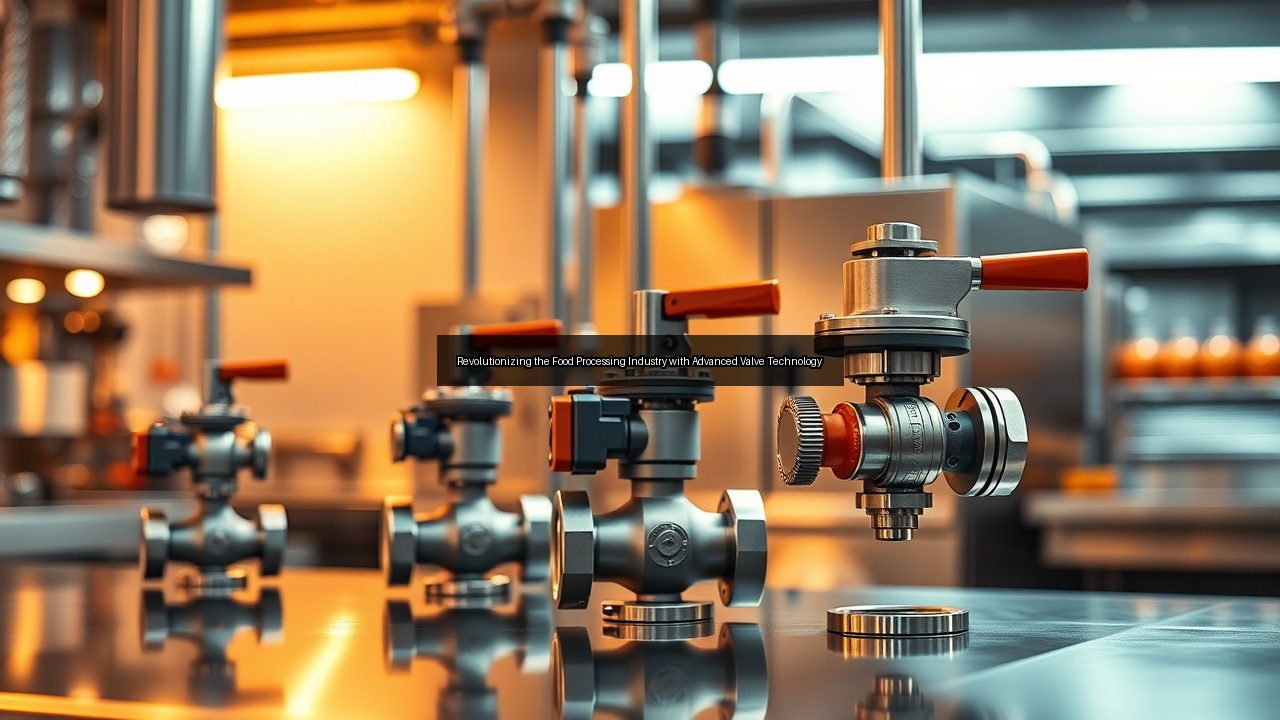
The food processing industry employs various types of valves, each designed for specific applications. Common types include ball valves, check valves, and control valves. Ball valves provide reliable shut-off and flow control, making them ideal for many food and beverage applications. Check valves prevent backflow, ensuring that fluids flow in one direction and safeguarding the integrity of the system. Control valves, on the other hand, regulate fluid flow and pressure, allowing manufacturers to optimize processes such as mixing, heating, and cooling. By using the right combination of valves, food processing facilities can enhance efficiency and maintain the highest standards of product quality.
Key Applications of Valves in Food Packaging
Valves also play an essential role in food packaging, where they help automate processes and ensure hygienic conditions. In applications like vacuum packaging, valves control the flow of air and gases to create a sealed environment that extends the shelf life of products. Similarly, in the beverage industry, valves manage the filling and capping processes, preventing spillage and maintaining cleanliness. The integration of advanced valve technology in these applications not only optimizes performance but also adheres to safety regulations, which is crucial in the food processing industry. Ultimately, the right valves for food processing contribute to efficient packaging solutions that protect products from contamination and spoilage.
Advancements in Valve Design for Enhanced Safety and Efficiency
Sanitary Valve Solutions for Food Safety
Sanitary valve solutions have revolutionized food safety in the processing industry. These valves are designed with smooth surfaces and minimal crevices, reducing the risk of bacterial growth and contamination. Materials used in sanitary valves often comply with FDA regulations, ensuring that they do not leach harmful substances into food products. Innovations in design have led to food processing valves valves that are easy to clean and maintain, further enhancing safety in food production. As food manufacturers increasingly prioritize hygiene, the demand for sanitary valves continues to rise. These advancements not only protect consumer health but also help companies avoid costly recalls and compliance issues.
Control Valves: Ensuring Optimal Fluid Management
Control valves have become indispensable in the food processing industry, as they ensure optimal fluid management across various applications. By regulating the flow and pressure of liquids, control valves contribute to efficient processes such as mixing, heating, and cooling. Advanced control valve designs incorporate automation technologies, allowing for precise adjustments based on real-time data. This level of control enhances productivity while minimizing waste. In the beverage industry, control valves manage the carbonation process, ensuring that each batch meets specific quality standards. As food processing continues to evolve, the role of control valves becomes increasingly significant in achieving operational excellence.
Safety Relief Valves: Protecting Against Overpressure
Safety relief valves serve as crucial components in protecting food processing systems from overpressure situations. These valves automatically release excess pressure, preventing potential damage to equipment and ensuring the safety of personnel. In industries such as beverage production, where carbonated liquids are involved, the risk of overpressure can pose significant hazards. Implementing safety relief valves mitigates this risk, safeguarding both the production process and worker safety. The design of these valves often includes features that allow for easy maintenance, further enhancing their reliability. As food processors strive to maintain high safety standards, the importance of safety relief valves cannot be overstated.
Automated Systems and the Future of Food Processing Valves
Integration of Valves in Automated Food Processing Systems
The integration of valves in automated food processing systems marks a significant advancement in the industry. Automation enhances efficiency, consistency, and precision in food production. Valves equipped with sensors and control systems enable real-time monitoring and adjustments, ensuring optimal performance. For instance, in the production of baked goods, automated systems can regulate ingredient flow and temperature with remarkable accuracy. This level of control not only improves product quality but also reduces waste and enhances resource management. As the food processing industry continues to embrace automation, the role of valves becomes increasingly integral to achieving operational goals and maintaining competitive advantage.
The Impact of Smart Valves on the Beverage Industry
Smart valves have made a profound impact on the beverage industry, transforming how manufacturers manage fluid dynamics. These technologically advanced valves incorporate sensors and connectivity features that allow for data collection and analysis. By providing real-time insights into flow rates and pressure, smart valves enable beverage valves food processing applications producers to optimize production processes and enhance quality control. For example, in carbonated beverage production, smart valves can adjust carbonation levels based on real-time measurements, ensuring consistent product quality. The adoption of smart valves not only boosts efficiency but also facilitates compliance with safety regulations, making them a valuable asset in the competitive beverage landscape.
Case Studies: Successful Applications of Advanced Valve Technology
Numerous case studies illustrate the successful application of advanced valve technology in food processing. One notable example involves a leading confectionery manufacturer that implemented control valves to optimize their chocolate production line. By precisely regulating temperature and ingredient flow, the manufacturer achieved significant improvements in product consistency and reduced waste by 15%. Another case study focuses on a beverage company that integrated smart valves into their bottling process. This innovation not only enhanced operational efficiency but also reduced downtime during production. Such examples highlight the transformative power of advanced valve technology, showcasing its potential to revolutionize the food processing industry and drive future innovations.