Streamlining Your Production Line with Outsourced Assembly
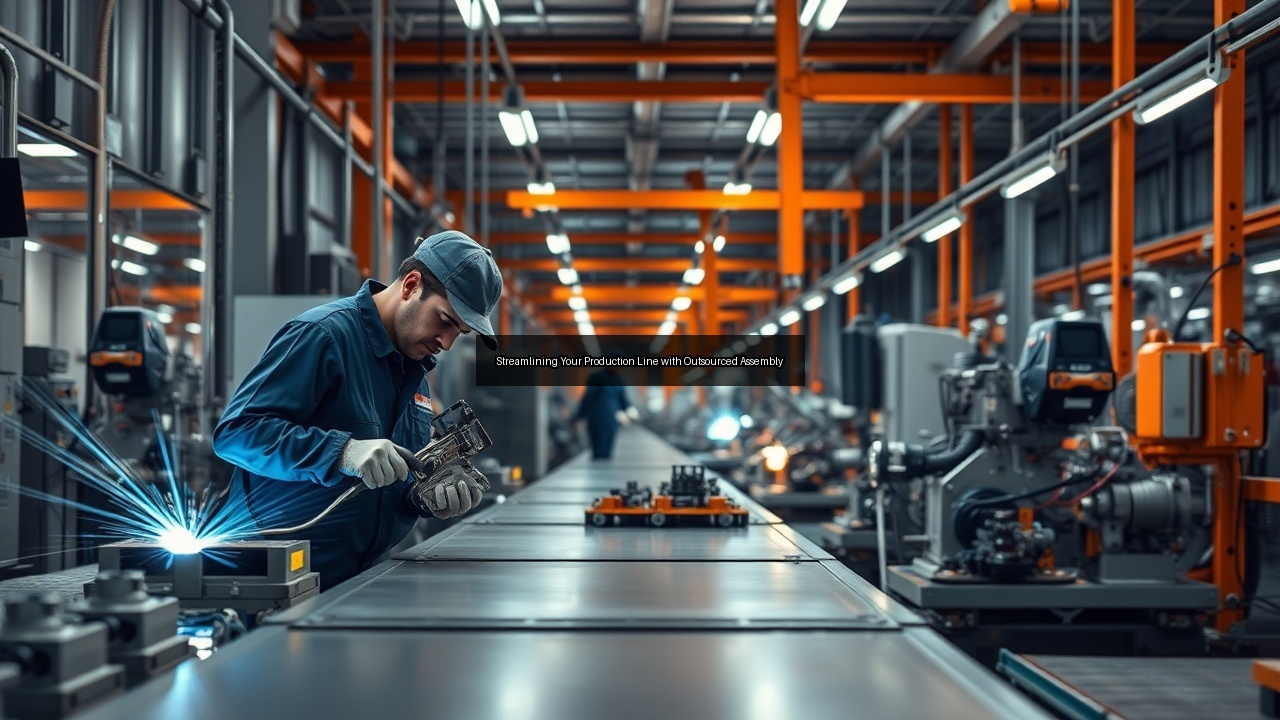
Understanding Outsourced Assembly Services
The Role of Outsourced Assembly in Modern Manufacturing
Outsourced assembly services play a crucial role in modern manufacturing. Companies leverage these services to enhance efficiency, reduce costs, and focus on core competencies. By outsourcing assembly processes, manufacturers can concentrate on design, engineering, and product development while leaving the intricate details of assembly to specialized partners. This strategic move not only streamlines operations but also allows for the flexibility to scale production based on market demands.
Modern manufacturing faces numerous challenges, including fluctuating consumer demands and the need for rapid innovation. Outsourced assembly addresses these challenges by providing access to specialized expertise and advanced technologies that improve production efficiency. Manufacturers can benefit from the latest assembly line techniques without the burden of investing in new equipment or training personnel. This model supports just-in-time manufacturing, enabling businesses to respond quickly to market changes while maintaining high-quality standards.
Furthermore, outsourced assembly services often bring a network of suppliers and logistics partners, facilitating smoother material flows and reducing lead times. This interconnectedness enhances collaboration across the supply chain, resulting in an agile manufacturing environment. Ultimately, outsourcing assembly transforms traditional manufacturing paradigms, enabling companies to be more competitive and responsive in today’s fast-paced market.
Key Industries Benefiting from Outsourced Assembly
Numerous industries reap significant advantages from outsourced assembly services. The automotive sector stands out as a primary beneficiary, where complex components require precision and reliability. Automotive manufacturers rely on outsourced assembly to ensure that intricate parts, such as engines and electrical systems, meet stringent safety and performance standards. By partnering with specialized assembly providers, automotive companies can streamline production and enhance their overall product quality.
Consumer electronics also heavily utilize outsourced assembly. The rapid pace of technological advancement demands quick turnarounds and high-quality assembly processes. Companies in this sector often outsource to experts who specialize in intricate wiring and component integration, ensuring that products like smartphones and tablets meet consumer expectations for performance and reliability. The ability to quickly adapt assembly processes allows these companies to maintain a competitive edge in a crowded market.
Medical device manufacturing represents another critical industry benefiting from outsourced assembly. Manufacturers require strict adherence to regulatory standards and exceptional quality control. Outsourcing assembly allows these companies to tap into specialized expertise in areas like sterilization and testing, ensuring that their products comply with industry regulations while maintaining high reliability and performance standards.
How Outsourcing Enhances Time-to-Market
Outsourcing assembly significantly enhances time-to-market, a critical metric in today's competitive landscape. Companies that leverage outsourced assembly services can rapidly scale production without the burden of setting up new facilities or hiring additional staff. This agility allows businesses to launch products faster and respond promptly to changing consumer demands.
By partnering with experienced assembly service providers, companies access advanced technologies and streamlined processes that reduce production time. These partners often employ best practices in assembly line management, ensuring that every aspect of the operation is optimized for efficiency. Quick access to skilled labor and specialized equipment enables manufacturers to accelerate their production cycles, allowing them to meet tight deadlines.
Moreover, outsourced assembly services often include integrated logistics solutions that facilitate swift material handling and distribution. This integration minimizes delays and enhances the overall supply chain efficiency, enabling companies to deliver products to market in a timely manner. As a result, businesses can capitalize on market opportunities, outperform competitors, and foster stronger customer relationships through reliable and swift product delivery.
Quality Control and Reliability in Outsourced Assembly
Implementing Best Practices for Quality Inspections
Quality control remains paramount in outsourced assembly services. Implementing best practices for quality inspections ensures that every product meets specified standards before it reaches the market. Manufacturers must collaborate closely with their assembly partners to define quality metrics and inspection protocols tailored to their specific needs.
Regular inspections throughout the assembly process are essential for identifying potential issues early. This proactive approach prevents costly recalls and enhances customer satisfaction. Using statistical process control (SPC) tools allows teams to monitor production quality in real-time, facilitating immediate corrective actions when deviations occur. Training assembly personnel in quality management principles helps build a culture of accountability and excellence.
Additionally, certifications such as ISO 9001 can serve as benchmarks for quality assurance in outsourced assembly. Partnering with certified assembly services provides manufacturers with the confidence that their products undergo rigorous quality checks. Continuous improvement initiatives, such as Kaizen, can also drive quality enhancement efforts, ensuring that assembly processes evolve to meet changing demands.
Ensuring Reliability in Assembly Line Operations
Reliability in assembly line operations is crucial for maintaining consistent production quality. Companies that outsource assembly must prioritize selecting partners with proven track records in reliability. This involves assessing potential assembly providers based on their operational history, capacity for meeting deadlines, and ability to handle complex manufacturing processes.
Effective communication between manufacturers and assembly partners enhances reliability. Establishing clear expectations regarding timelines, quality standards, and production volumes fosters collaboration and transparency. Regular meetings and performance reviews help identify potential bottlenecks and areas for improvement, ensuring that both parties remain aligned on project goals.
Additionally, investing in robust technology solutions can significantly enhance the reliability of outsourced assembly operations. Automation and advanced data analytics improve accuracy and efficiency in the assembly process. Predictive maintenance strategies also play a vital role, allowing companies to anticipate equipment failures and minimize downtime. By ensuring that assembly lines operate smoothly, manufacturers can maintain consistent product quality and meet customer expectations.
Welding and Fabrication Standards in Outsourced Services
Welding and fabrication represent critical components of many outsourced assembly services, particularly in industries such as automotive and aerospace. Adhering to stringent welding and fabrication standards ensures that assembled products meet safety and performance requirements. Manufacturers must collaborate with assembly partners who possess the necessary certifications and expertise in welding techniques.
Establishing clear welding and fabrication standards provides a framework for quality assurance. This includes defining acceptable tolerances, material specifications, and testing procedures. Regular audits and inspections of the assembly process help maintain compliance with these standards, ensuring that every product meets the required specifications.
Additionally, staying updated with advancements in welding technologies and techniques can enhance the quality of assembled products. For instance, integrating automated welding systems can improve precision and reduce the risk of human error. By prioritizing welding and fabrication standards, manufacturers can ensure that their outsourced assembly services deliver reliable, high-quality products that meet industry regulations.
Optimizing Production with Outsourced Assembly
Reducing Waste Through Efficient Assembly Processes
Outsourced assembly services offer effective strategies for reducing waste in manufacturing. Streamlining assembly processes minimizes unnecessary material usage and improves operational efficiency. Manufacturers can implement lean manufacturing principles in collaboration with their assembly partners to identify and eliminate waste across the production line.
Conducting value stream mapping sessions helps identify areas where waste occurs, whether in motion, overproduction, or excess inventory. By analyzing each step of the assembly process, manufacturers can pinpoint inefficiencies and develop targeted solutions. Techniques such as just-in-time assembly ensure that components arrive precisely when needed, reducing excess stock and minimizing waste.
Additionally, training assembly personnel in waste reduction strategies fosters a culture of continuous improvement. Encouraging team members to identify and report inefficiencies empowers them to contribute to optimizing production processes. By adopting a proactive approach to waste reduction, companies can enhance their sustainability initiatives while simultaneously improving their bottom line.
Packaging Solutions for Outsourced Assembly
Effective packaging solutions play a vital role in the success of outsourced assembly services. Packaging not only protects products during transportation but also enhances branding and customer experience. Manufacturers must work closely with their assembly partners to develop packaging solutions that align with their product specifications and market demands.
Custom packaging solutions can improve product presentation and reduce material waste. Utilizing eco-friendly materials and designs not only enhances sustainability efforts but also appeals to environmentally conscious consumers. Additionally, optimizing packaging for efficient stacking and shipping can reduce transportation costs and improve logistics efficiency.
Implementing automated packaging systems further enhances the efficiency of outsourced assembly operations. Automation reduces labor costs and minimizes the risk of packaging errors, ensuring that products are packaged consistently and accurately. By focusing on effective packaging strategies, manufacturers can improve their overall production efficiency and enhance customer satisfaction.
Architectural Considerations for Assembly Plants
Architectural considerations play a significant role in the design and functionality of assembly plants. A well-designed assembly facility enhances workflow, boosts efficiency, and improves employee safety. Manufacturers must collaborate with architects and engineers to create spaces that accommodate the unique requirements of outsourced assembly services.
Designing flexible layouts allows for adaptability as production volumes fluctuate. Open floor plans facilitate collaboration and communication among teams, promoting a culture of teamwork and innovation. Incorporating natural light and ergonomic workstations enhances employee well-being and productivity, contributing to a more efficient assembly line.
Additionally, integrating advanced technologies into the architectural design can optimize assembly processes. Smart factory concepts, such as IoT-enabled equipment and automation, improve operational efficiency and data collection. By prioritizing architectural considerations in assembly plants, manufacturers can create environments that support efficient production and ultimately lead to improved business outcomes.