Innovative Designs and Fabrication Techniques Offered by Leading Contract Assembly Providers
The Role of Contract Assembly Services in Modern Manufacturing
Understanding Contract Assembly
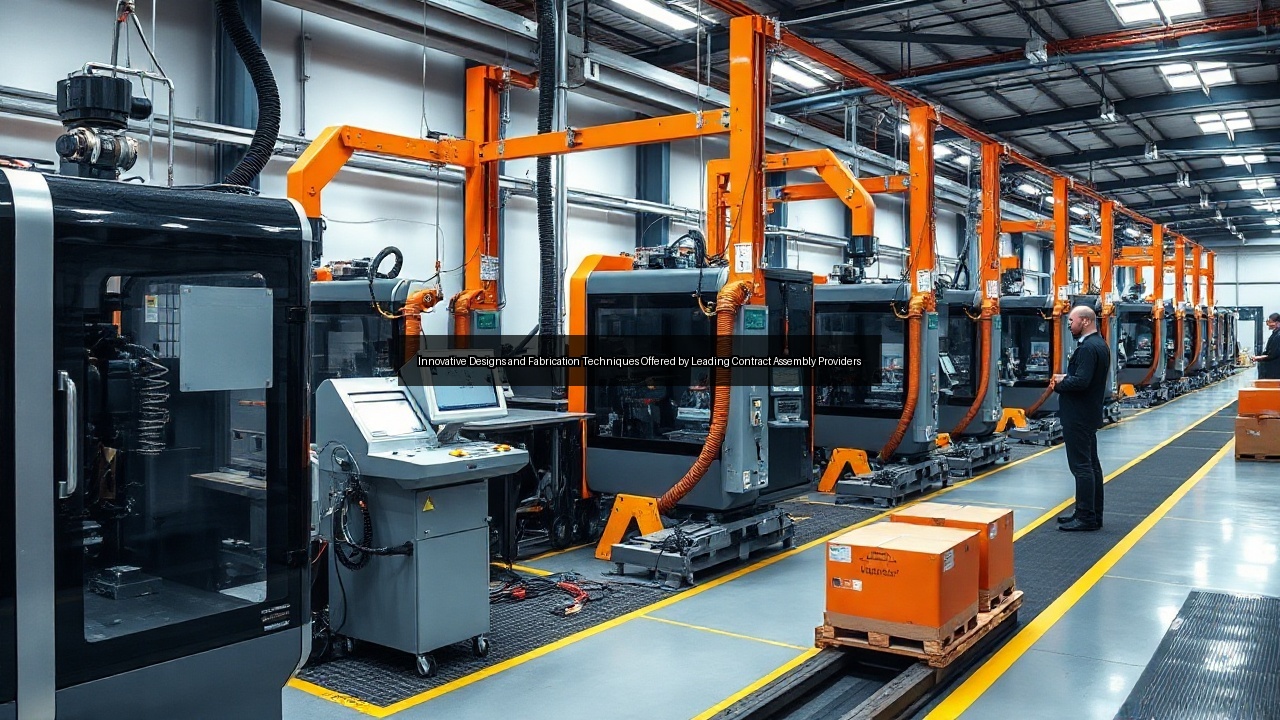
Contract assembly services allow manufacturers to hand off production tasks to specialized partners who handle component integration and final builds. These providers operate dedicated facilities equipped for high-volume runs while maintaining flexibility for custom orders. A contract assembly company typically receives raw parts from clients or sources them directly, then assembles products according to precise specifications. This model frees original equipment companies from investing in their own assembly lines. Experts in contract assembly services apply proven fabrication methods to reduce errors and speed turnaround. Companies gain access to advanced tooling without capital outlays. The process covers everything from simple mechanical joins to complex electronic integrations. Manufacturers benefit when they lack space or skilled labor for in-house work. Contract manufacturers coordinate closely with clients to match design intent with practical execution.
Benefits of Outsourcing Contract Assembly
Outsourcing contract assembly delivers clear gains in cost control and operational focus. Companies avoid the expense of maintaining internal assembly teams and equipment. Instead they pay only for completed units, which improves cash flow predictability. Providers bring engineering expertise that refines designs for easier production and fewer defects. Scalability becomes straightforward because contract assembly services expand or contract capacity quickly. Firms concentrate resources on core activities like marketing and innovation rather than routine fabrication. Quality improves through specialized processes and trained personnel who handle repetitive tasks daily. Logistics simplify when one partner manages packaging and shipping. Overall, outsourcing reduces overhead while accelerating time to market for new products.
How to Choose a Contract Assembly Provider
Selecting the right contract assembly provider starts with evaluating technical capabilities against project requirements. Review their track record with similar products and request references from past clients. Assess facility certifications and equipment lists to confirm they support required fabrication techniques. Discuss lead times, minimum order quantities, and change-order procedures upfront. Strong providers demonstrate transparent cost structures and clear communication channels. Examine their supply chain relationships to ensure steady material availability. Site visits reveal cleanliness, organization, and worker skill levels. Compare proposals from multiple contract manufacturers on total value rather than lowest price alone. The best match aligns expertise, capacity, and reliability with long-term business goals.
Innovative Designs in Contract Assembly
Current Trends in Design for Manufacturability
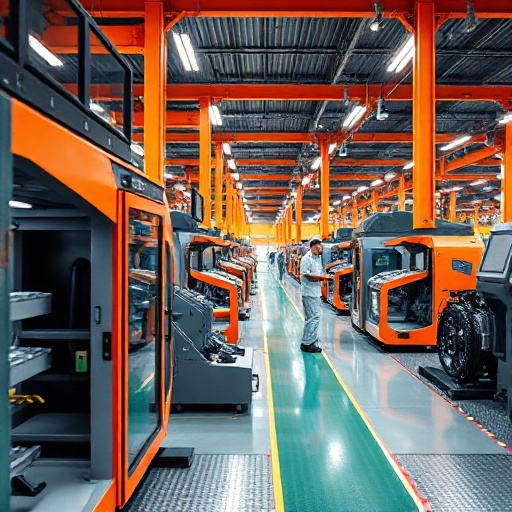
Design for manufacturability now emphasizes modular components that contract assembly services can produce and integrate rapidly. Engineers prioritize fewer fasteners, standardized fasteners, and snap-fit features to cut assembly time. Digital simulation tools identify tolerance stack-ups before tooling begins. Providers encourage clients to adopt these approaches early so final designs reach production without costly revisions. Trends also include lightweight materials that maintain strength while reducing shipping costs. Contract manufacturers share feedback loops that refine part geometry for automated handling. These practices lower overall fabrication expenses and improve first-pass yields. Companies that apply current design principles experience smoother handoffs from prototype to volume runs.
Integrating Engineering Expertise in Product Design
Engineering expertise from contract assembly providers strengthens product designs from the concept stage onward. Specialists review drawings for assembly feasibility and suggest material swaps that preserve function at lower cost. They model stress points and thermal behavior to prevent field failures. Collaboration sessions align client vision with proven manufacturing methods. This integration reduces redesign cycles and shortens development timelines. Providers apply lessons from prior projects to avoid common pitfalls in electronics housing or mechanical linkages. The result is robust products that contract manufacturers can build consistently at scale. Clients retain control over aesthetics and performance while gaining practical fabrication guidance.
Case Studies of Successful Innovative Designs
One medical device firm partnered with a contract assembly provider to redesign a portable diagnostic unit. Engineers consolidated fifteen separate parts into five modules, cutting assembly steps by half and lowering defect rates. Another automotive supplier used the same provider’s prototyping capabilities to validate a new sensor housing before committing to tooling. Powder coating replaced multiple painting steps and delivered consistent finishes across batches. Both projects reached market months ahead of schedule because the contract manufacturer handled design refinements internally. These examples illustrate how shared expertise converts complex ideas into manufacturable realities without compromising quality or increasing costs.
Fabrication Techniques That Enhance Efficiency
Lean Manufacturing Practices in Contract Assembly
Lean manufacturing practices eliminate waste throughout contract assembly operations. Providers map every process step to remove unnecessary motion, waiting time, and excess inventory. Cross-trained teams handle multiple stations, which improves flexibility during demand spikes. Visual management boards track daily output and highlight bottlenecks immediately. Contract manufacturers apply value-stream mapping to shorten lead times and reduce work-in-process. These methods lower labor costs while raising throughput. Clients receive steady delivery performance because the system responds quickly to schedule changes. Lean discipline also supports consistent quality by standardizing work instructions across shifts.
Advancements in Prototyping Technologies
Modern prototyping technologies let contract assembly services produce functional samples in days rather than weeks. Additive processes create complex geometries that traditional machining cannot achieve economically. Providers combine 3D printing with CNC machining to deliver accurate fit-check parts quickly. Clients test ergonomics and mechanical interfaces before final tooling investment. Rapid iterations refine designs based on real feedback. Contract manufacturers integrate these prototypes directly into pilot runs, confirming assembly sequences early. The approach cuts development costs and minimizes risk when scaling to volume production.
Utilizing Powder Coating for Quality Finishing
Powder coating delivers durable, uniform finishes that enhance both appearance and corrosion resistance. Contract assembly providers apply electrostatic powder that bonds evenly to metal surfaces without runs or drips. The process supports a wide color palette and texture options for branding needs. Cured coatings withstand handling during packaging and shipping better than liquid paints. Providers optimize oven cycles to maintain throughput while achieving specified thickness. This finishing method reduces volatile emissions and simplifies compliance. Clients gain professional-grade surfaces that support premium product positioning without added labor or rework.
Quality Control and ISO 9001 Certification in Contract Manufacturing
Importance of Quality Control in Assembly Services
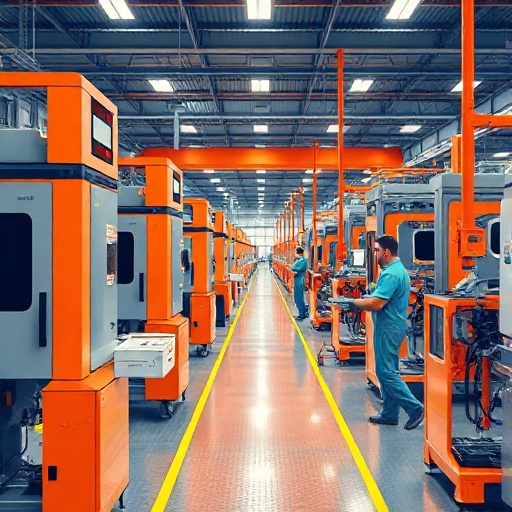
Quality control forms the backbone of reliable contract assembly services. Providers implement incoming inspection, in-process checks, and final audits to catch issues before shipment. Statistical sampling and root-cause analysis drive continuous improvement. Consistent quality reduces returns and protects brand reputation for client companies. Contract manufacturers document every lot so traceability supports regulatory requirements. Strong quality systems also lower internal scrap and rework, which keeps costs predictable. Clients avoid the expense of duplicate inspection when they trust the provider’s controls.
Understanding ISO 9001 Standards
ISO 9001 certification signals that a contract manufacturer maintains documented processes for consistent output. The standard requires defined responsibilities, risk assessments, and corrective-action procedures. Providers undergo regular audits that verify ongoing compliance. Clients gain confidence that the contract assembly company follows repeatable methods rather than ad-hoc practices. Certification also encourages data-driven decisions that improve efficiency over time. Many industries require ISO 9001 before approving suppliers, making it a baseline expectation for serious partners.
Best Practices for Maintaining Quality During Outsourcing
Successful outsourcing demands clear quality agreements between client and provider. Jointly defined acceptance criteria and inspection methods prevent misunderstandings. Regular performance reviews and shared dashboards keep both parties aligned. Contract assembly services that embed client-specific quality gates into their workflow deliver higher first-article approval rates. Training programs ensure operators understand critical characteristics. When issues arise, rapid communication and containment actions protect downstream production. These practices sustain quality levels even as volumes scale or designs evolve.
Scalability and Logistics in Contract Assembly Operations
Managing Costs Effectively in Contract Manufacturing
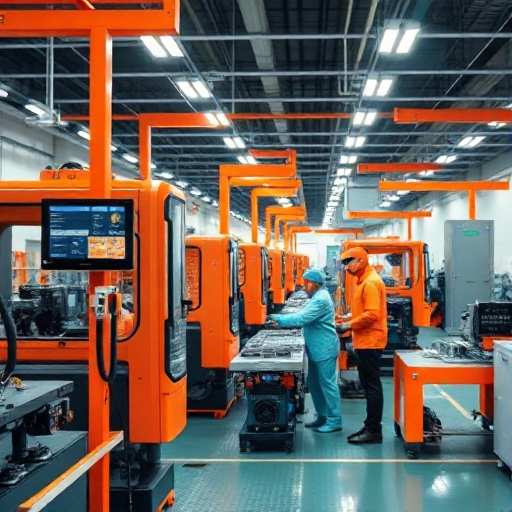
Effective cost management in contract manufacturing balances unit price with total landed cost. Providers analyze material, labor, and overhead to identify savings opportunities. Volume commitments unlock better component pricing that benefits both parties. Transparent quoting separates fixed and variable elements so clients forecast accurately. Contract assembly services also optimize packaging to reduce shipping expenses without risking damage. Regular cost reviews uncover process improvements that compound over time. Clients achieve predictable margins when providers manage these variables proactively.
Strategies for Efficient Onboarding of New Projects
Efficient onboarding accelerates time to first production run. Contract assembly providers assign dedicated teams to map requirements, validate processes, and train staff. Detailed checklists cover tooling, fixtures, and documentation needs. Pilot builds confirm cycle times and quality targets before full release. Clear milestone reviews keep projects on schedule. Clients supply complete specifications early so the manufacturer can source long-lead items promptly. This structured approach minimizes surprises and speeds revenue generation from new products.
Logistics Challenges and Solutions in Assembly Services
Logistics challenges in assembly services include material timing, finished-goods storage, and distribution coordination. Contract manufacturers solve these through integrated planning systems that align supplier deliveries with assembly schedules. Kanban signals trigger replenishment automatically. Providers often manage packaging and labeling to match client distribution requirements. Regional facilities shorten transit times and reduce freight costs. When disruptions occur, contingency suppliers and flexible routing maintain continuity. Strong logistics execution ensures products reach end customers on time and in perfect condition.
See Also
- The Benefits of Outsourcing Your Contract Assembly to Specialized Manufacturers
- From Prototyping to Packaging Discover the Full Spectrum of Contract Assembly Services
- The Role of Engineering Expertise in High-Quality Contract Assembly Services
- Unlocking Efficiency with Expert Contract Assembly Services for Your Manufacturing Needs
- Understanding the True Costs of In-House vs Outsourced Contract Assembly