Innovative Solutions in Custom Manifold Manufacturing Techniques
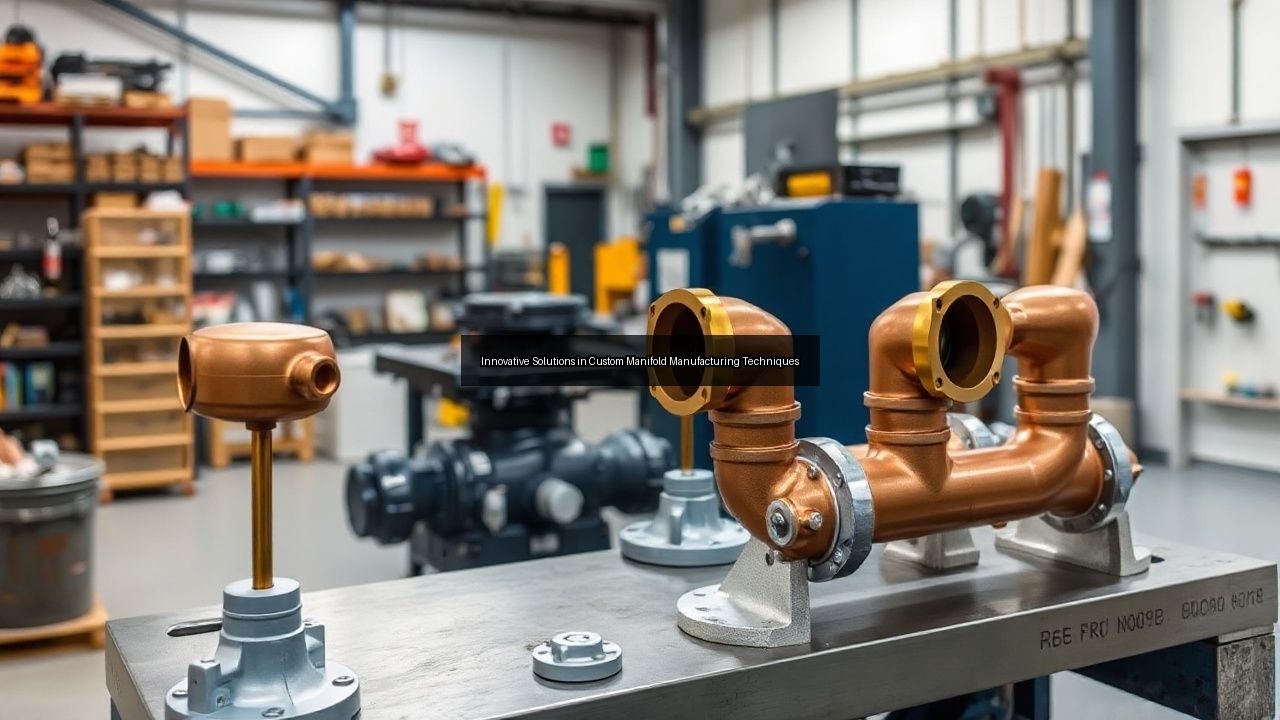
Understanding Custom Manifold Manufacturing
The Importance of Custom Manifolds in Various Industries
Custom manifolds play a critical role in multiple industries, serving as a backbone for fluid power systems. In sectors such as aerospace, agriculture, and construction, these components manage the distribution of fluids like oil and gases, ensuring operational efficiency and safety. Custom manifolds are tailored to meet specific engineering requirements, optimizing performance and reducing the risk of leaks. Their design accommodates various valves, including ball valves and pressure regulators, providing essential control over fluid dynamics. By integrating custom manifolds into their systems, companies enhance their capabilities, improve reliability, and ultimately achieve better productivity across their operations.
Key Materials Used in Custom Manifold Production
Manufacturers choose materials for custom manifolds based on their specific applications and environmental conditions. Common materials include brass, aluminum, and stainless steel. Brass offers excellent corrosion resistance and strength, making it ideal for hydraulic systems. Aluminum, being lightweight, is often utilized in aerospace applications where weight reduction is crucial. Stainless steel provides durability and resistance to heat and pressure, essential for oil and gas applications. The selection of material not only impacts the performance of the manifold but also its longevity and maintenance requirements. Understanding these materials is vital for engineers and procurement teams when designing and sourcing custom manifolds.
Overview of Manufacturing Techniques for Custom Manifolds
Manufacturing custom manifolds involves various techniques to ensure precision and quality. Traditional methods include machining and welding, where skilled technicians use tools to shape and assemble the manifold components. However, advanced techniques, such as additive manufacturing and CNC machining, have gained traction. These methods allow for intricate designs that were previously impossible, enhancing the functionality of manifolds. Additionally, techniques like injection molding offer cost-effective solutions for mass production. Each method has its advantages, and selecting the right technique depends on the required specifications, volume, and budget, ultimately impacting the performance and reliability of the final product.
Innovative Techniques in Custom Manifold Design
Advanced CAD Technologies for Precision Design
Computer-Aided Design (CAD) technologies have revolutionized the way engineers approach custom manifold design. Advanced CAD software enables precise modeling of manifold systems, allowing for simulations and stress testing before manufacturing begins. Engineers can visualize how fluid will flow through the manifold and identify potential bottlenecks or leaks. This level of detail ensures that custom manifolds meet rigorous industry standards and client specifications. Collaboration tools integrated into CAD systems also facilitate real-time feedback and adjustments among design teams, streamlining the development process. As a result, companies can produce manifolds that maximize efficiency and minimize the risk of failure in the field.
3D Printing in Custom Manifold Fabrication
3D printing is transforming custom manifold fabrication by enabling rapid prototyping and production. This technology allows manufacturers to create complex geometries that traditional methods cannot easily achieve. 3D printing reduces material waste and speeds up the production timeline, making it an attractive option for businesses needing quick turnarounds. Additionally, it facilitates the creation of lightweight structures, particularly beneficial in aerospace applications where every gram counts. As 3D printing technology continues to evolve, its adoption in manifold production will likely expand, allowing for more innovative designs tailored to specific operational needs.
Integrating Automation in Manufacturing Process
Automation enhances the efficiency and consistency of custom manifold manufacturing. Automated systems streamline various processes, from material handling to assembly, reducing human error and increasing throughput. Technologies such as robotics and AI-driven quality control ensure that each manifold meets the required specifications without compromising on quality. Automation also allows for real-time monitoring of production, enabling manufacturers to quickly identify and address issues as they arise. By integrating automation, companies can achieve higher production rates while maintaining the level of customization needed for unique applications, thus positioning themselves competitively in the market.
Applications and Industry Insights
Custom Manifolds in Aerospace and Space Industries
In the aerospace and space industries, custom manifolds are essential for managing hydraulic and pneumatic systems. These manifolds control various functions, from landing gear operation to fuel distribution, where precision is non-negotiable. Aerospace applications often require specialized designs to withstand extreme temperatures and pressures, necessitating robust materials like titanium or high-grade stainless steel. Custom manifolds help streamline the integration of multiple systems, enhancing overall efficiency and reducing weight. As the aerospace sector continues to innovate with new technologies, the demand for advanced custom manifold solutions will grow, driving manufacturers to push the boundaries of design and engineering.
Hydraulic and Pneumatic Solutions in Construction and Agriculture
In construction and agriculture, custom manifolds facilitate the effective management of hydraulic and pneumatic systems, such as excavators, tractors, and irrigation systems. These manifolds distribute fluid power, enabling machinery to operate smoothly and efficiently. Custom designs accommodate various configurations of valves and hoses, ensuring optimal performance in diverse operating conditions. As construction projects become more complex, and agricultural demands increase, the need for tailored solutions in manifold design becomes critical. Manufacturers must understand the specific requirements of these industries to deliver reliable and durable products that withstand the rigors of daily use.
Leak Prevention and Quality Assurance in Oil and Gas
Leak prevention is a top priority in the oil and gas industry, where custom manifolds play a pivotal role in managing high-pressure systems. Quality assurance protocols in manufacturing ensure that every manifold meets stringent safety standards, reducing the risk of catastrophic failures. Utilizing advanced materials and manufacturing techniques, companies can create manifolds that endure harsh conditions and prevent leaks. Regular testing and inspection of these components are essential to maintain integrity and compliance with industry regulations. As the oil and gas sector continues to evolve, the demand for innovative solutions in manifold design and manufacturing will remain strong, emphasizing the importance of quality and reliability.
Selecting the Right Suppliers and Tools
Criteria for Choosing Custom Manifold Suppliers
Selecting the right suppliers for custom manifolds involves evaluating several critical criteria. Look for suppliers with a proven track record in manufacturing quality products that meet industry standards. Consider their expertise in specific materials, such as brass, stainless steel, or aluminum, depending on your application. Assess their capacity for customization and whether they can meet your unique design specifications. Certifications, such as ISO or SAE compliance, indicate a commitment to quality and reliability. Additionally, strong customer service and support can facilitate smoother communication throughout the manufacturing process, ensuring that your project stays on track and meets deadlines.
Inventory Management for Manifold Components
Effective inventory management is crucial for manufacturers of custom manifolds. Companies must maintain a sufficient stock of components such as valves, fittings, and tubing to fulfill orders promptly. Implementing inventory management systems helps track materials, forecast demand, and streamline procurement processes. Businesses can reduce lead times and ensure that production schedules remain uninterrupted. Additionally, maintaining clear records of component usage and supplier performance enhances accountability and efficiency. This proactive approach to inventory management allows manufacturers to respond quickly to market changes and customer needs, ultimately improving service levels and profitability.
Understanding Warranty and Standards in Custom Manufacturing
Understanding warranty and standards in custom manufacturing is vital for ensuring long-term satisfaction with custom manifolds. A comprehensive warranty protects customers from defects in materials and workmanship, providing peace of mind. Manufacturers should clearly outline warranty terms, including coverage periods and conditions for claims. Familiarity with industry standards, such as those established by the American National Standards Institute (ANSI) or the International Organization for Standardization (ISO), ensures that custom manifolds meet regulatory requirements. Compliance with these standards not only enhances product quality but also reinforces the manufacturer's reputation in the market. Prioritizing adherence to these principles will foster trust and reliability in the custom manifold supply chain.